
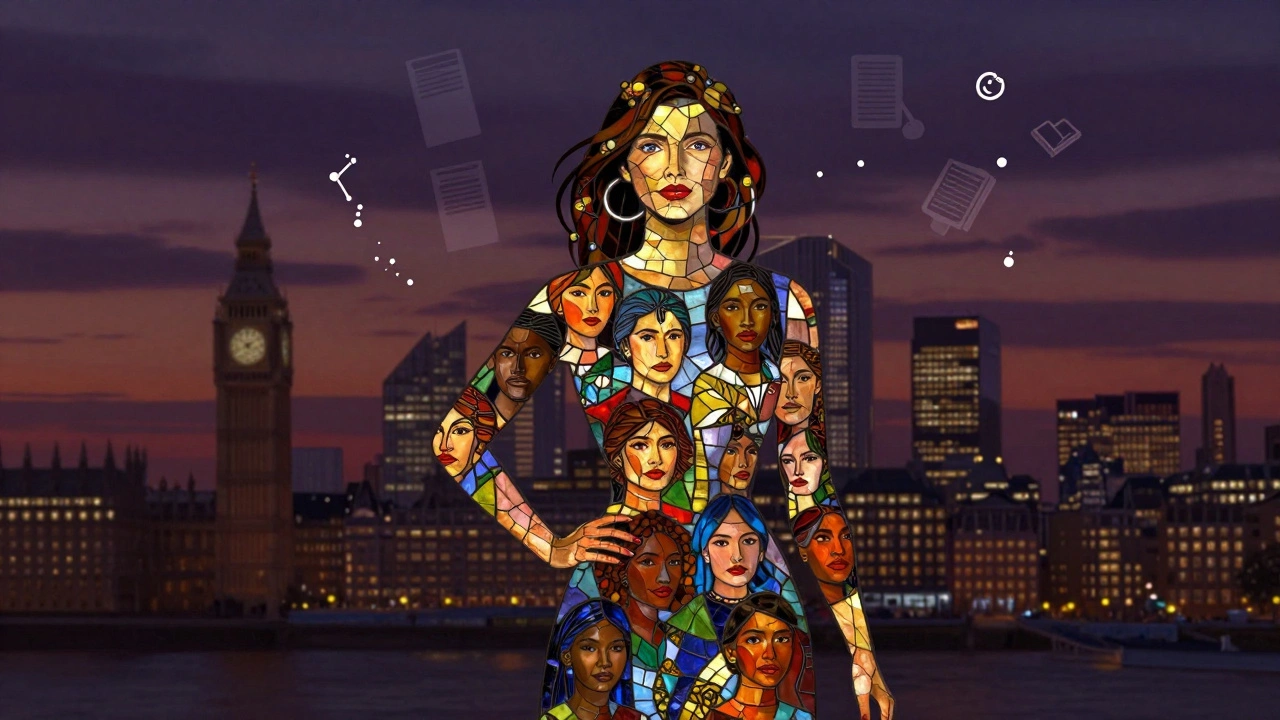
London isn’t just a city of historic landmarks and bustling markets-it’s a living mosaic of cultures, languages, and identities. That same diversity shows up in unexpected places, including the escort industry. While often misunderstood or stigmatized, the women who work in this space come from every corner of the globe, bringing with them stories shaped by migration, resilience, and personal choice. Their presence doesn’t just fill a service gap; it mirrors the broader social fabric of modern Britain.
For some, the path to becoming an escort begins with financial need. For others, it’s about autonomy-choosing when, where, and how to work. Many are students, artists, or professionals balancing multiple roles. The demand for these services isn’t random; it’s tied to real human needs for companionship, intimacy, or simply a break from isolation. If you’re curious about the realities behind the scenes, you might come across escort girl sex in london discussions online, but those often miss the deeper context. What matters more is understanding the people behind the service.
Who Are the Women Behind the Service?
The women working as escorts in London aren’t a monolith. You’ll find Eastern European women who moved here for better opportunities, Latin American artists seeking creative freedom, African professionals escaping political instability, and Southeast Asian women navigating complex family obligations. Each has a different reason for entering this line of work-and each deserves to be seen as a person, not a stereotype.
Take the case of Maria, a former nurse from the Philippines who now works part-time as an escort while studying psychology online. She doesn’t advertise on mainstream platforms. Her clients come through trusted referrals. She chooses her hours, sets her own boundaries, and uses her earnings to pay for her degree. Her story isn’t unique. It’s one of thousands.
Asian Escort Girl London: Beyond the Fetishization
The term "asian escort girl london" pops up often in search results, but it’s usually tied to reductive, exoticized imagery. Real Asian women working in this industry don’t fit a single mold. Some are Japanese, others Vietnamese, Pakistani, or Indian. Some speak fluent English; others are still learning. Many have advanced degrees. Some work independently; others are part of small, peer-run collectives that prioritize safety and fair pay.
What’s rarely discussed is how racial stereotypes shape demand. A woman of East Asian descent might get more inquiries simply because of how she looks-not because of her personality, skills, or interests. That’s not empowerment. It’s commodification. The most respected professionals in this space are those who push back against these patterns, setting clear boundaries and refusing to perform for fantasies that aren’t theirs.
The Geography of Demand: Escort Girl East London
East London has long been a landing point for immigrants. Areas like Stratford, Bow, and Hackney are home to vibrant communities from Bangladesh, Somalia, Poland, and beyond. It’s no surprise that the escort scene here reflects that diversity. Many women operating in East London don’t work in luxury apartments or high-end agencies. They work from rented rooms, co-working spaces, or even their own homes. Their clients? Locals-teachers, delivery drivers, single fathers, elderly men who rarely leave their neighborhoods.
The term "escort girl east london" often appears in ads that focus on affordability and accessibility. But behind those listings are women who’ve chosen this work because it gives them flexibility. They can take a day off to care for a sick child, attend a language class, or visit a family member abroad. The work isn’t glamorous, but it’s practical-and for many, it’s the only option that allows them to maintain dignity while surviving in a high-cost city.
Legal Gray Zones and Safety Concerns
Prostitution itself isn’t illegal in the UK, but many related activities are. Soliciting in public, running a brothel, or advertising services openly can land someone in legal trouble. That pushes many workers into the shadows, making them more vulnerable. There are no licensed agencies for escorts in London. No union protections. No minimum wage guarantees.
Organizations like the English Collective of Prostitutes and the UK Network of Sex Work Projects offer free legal advice, safety training, and peer support. These groups are quietly saving lives. They teach women how to screen clients, use encrypted apps, and report threats without fear of arrest. Their work is essential-but underfunded and rarely covered by mainstream media.
Why This Matters Beyond the Industry
When we talk about escort services in London, we’re not just talking about sex. We’re talking about housing insecurity, immigration policy, gender inequality, and the erosion of social safety nets. Many women in this industry are single mothers, refugees, or survivors of abuse. They’re not choosing this life because they want to be "bad girls." They’re choosing it because the alternatives-low-wage jobs, debt, homelessness-are worse.
London prides itself on being a global city. But global cities are only as strong as their most vulnerable residents. If we want to claim cultural richness, we have to stop reducing people to labels. We have to listen to the stories behind the keywords.

Changing the Narrative
There’s a quiet movement growing among former escorts who now work as advocates, writers, and filmmakers. They’re sharing their experiences through podcasts, zines, and community workshops. They’re challenging the idea that sex work is inherently exploitative-and arguing instead that exploitation comes from lack of rights, not from the work itself.
Some of these women have started cooperatives where they rent space together, share security protocols, and refer clients only after vetting them. Others run Instagram accounts that document their daily lives-not to titillate, but to humanize. One woman in Peckham posts weekly videos about cooking meals with her daughter while talking about her clients. She doesn’t hide her work. She owns it.
This isn’t about glorifying anything. It’s about seeing people clearly.
What You Can Do
If you’re reading this because you’re curious-or because you’re considering hiring someone-ask yourself: What do I really want? Companionship? Intimacy? A distraction? There are other ways to get those things. Volunteering, joining community groups, or even seeing a therapist can fill those gaps without putting someone else at risk.
If you’re already a client, consider this: the person you’re meeting might be paying for their child’s school fees, their parent’s medical bills, or their own escape from violence. Treat them like a human. Don’t demand performances. Don’t make assumptions. Say thank you. Leave on time. Respect their boundaries.
And if you’re someone who sees these women on the street or online and feels judgment rising-pause. Ask why. Where did that feeling come from? Who taught you to see them as less than?
London’s diversity isn’t just in its food, its festivals, or its accents. It’s in the quiet resilience of women who show up every day, on their own terms, and keep going-even when the world looks away.