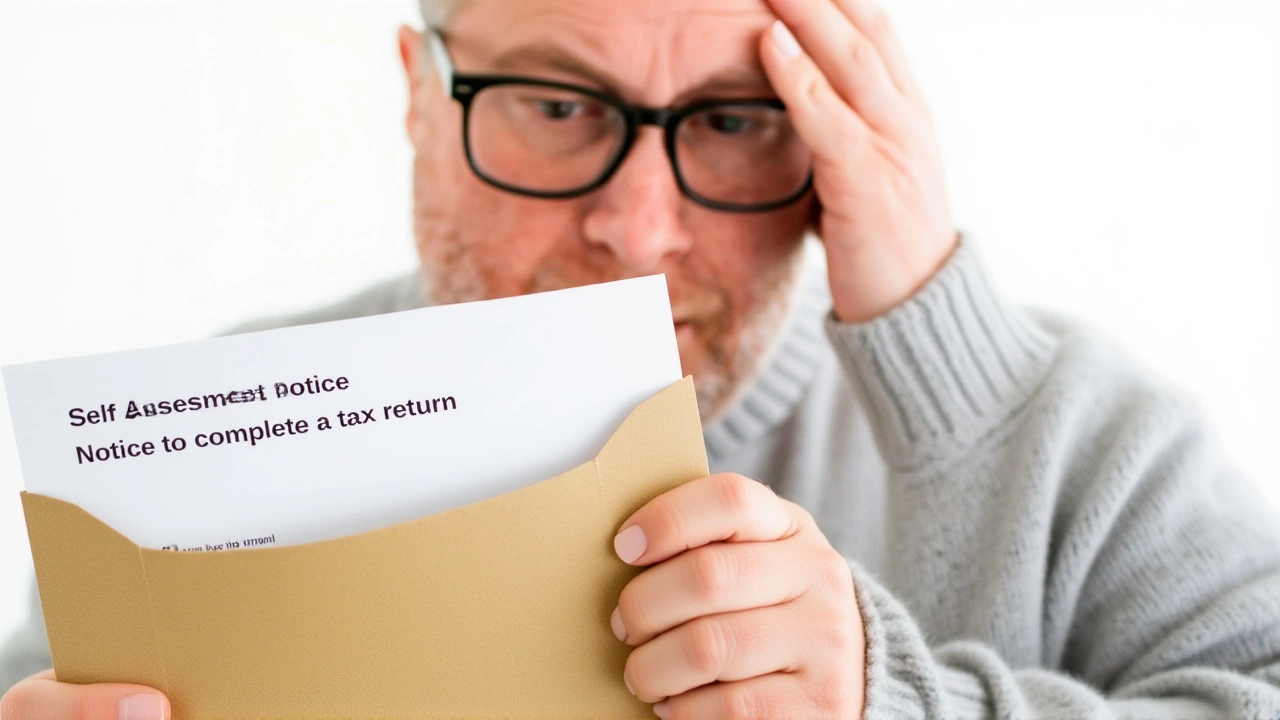
When HM Revenue & Customs (HMRC) failed to update its tax codes for millions of retirees last year, the result was a staggering £43.5 million collected in error. The blunder affected up to 8.7 million pensioners across the United Kingdom, who found themselves paying more income tax than necessary because the tax authority routinely ignored annual increases in the state pension.
Here’s the thing: this wasn’t a one-off glitch. It’s a systemic issue tied directly to the government’s Triple Lock guarantee, which ensures the state pension rises every April. HMRC simply didn’t account for these hikes when calculating tax thresholds, leaving retirees on the hook for money they never owed.
The Triple Lock Blind Spot
Reports from The Times reveal that HMRC knowingly allowed this discrepancy to persist. Every April, when the state pension increases under the triple lock mechanism, HMRC’s systems should adjust accordingly. Instead, they remained static. This meant that as pensioners’ incomes rose slightly due to the guaranteed increase, their tax liabilities did not reflect the updated personal allowance calculations properly.
It’s an odd oversight for an organization responsible for collecting billions in revenue. The twist is that this isn’t just about administrative sloppiness; it’s about a failure to integrate two major government policies—the triple lock and income tax coding—into a cohesive system. For the average retiree living on a fixed income, even a small overpayment can mean the difference between heating their home or skipping a meal.
Billions at Stake, Millions Affected
The scale of the error is difficult to grasp without looking at the numbers. While The Independent highlighted the £43.5 million figure for the most recent fiscal year, other reports suggest the long-term impact is far greater. The Daily Mirror reported that a broader system had over-taxed pensioners to the tune of £1.3 billion. That’s right—£1.3 billion. And the number of people involved? Up to 13 million state pensioners have been told there is “some good news” coming their way in the form of refunds.
But wait, there’s more complexity here. Recent data shows HMRC has begun repaying some of these funds. According to Professional Pensions, HMRC repaid exactly £46,258,175.80 in overpaid pensions tax during the fourth quarter of 2025 alone (October to December). Additionally, between July and August 2025, thousands of retirees recovered more than £48.5 million in overpaid tax specifically related to flexible pension withdrawals. These figures indicate that while the problem is massive, the correction process is underway, albeit slowly.
Why This Matters to You
If you’re retired, or if you care about someone who is, this is crucial information. Many pensioners assume their tax affairs are settled once they stop working. They don’t realize that changes in their pension income can trigger tax code adjustments—or failures thereof. The lack of proactive communication from HMRC means many victims remain unaware they are owed money.
Experts argue that this situation highlights a deeper disconnect within the UK’s welfare and taxation infrastructure. When policy changes like the triple lock are implemented, the downstream effects on tax coding must be automated and verified. Currently, it appears much of this relies on manual updates or outdated algorithms that fail to keep pace with real-time income changes for retirees.
What’s Next for Refunds?
The timeline for widespread repayments remains unclear. While HMRC has issued refunds totaling tens of millions in late 2025, the backlog for 8.7 million individuals suggests a lengthy process ahead. The agency published its latest repayment statistics in a newsletter on January 29, but details on how remaining claims will be processed are sparse.
For now, pensioners are advised to check their tax codes annually, particularly after April when pension increases take effect. If your tax code hasn’t changed despite a rise in your state pension, you may be eligible for a refund. The burden of proof, unfortunately, often falls on the taxpayer—a frustrating reality for those who already feel overlooked by the system.
Frequently Asked Questions
How did HMRC overcharge pensioners?
HMRC failed to update tax codes to reflect annual increases in the state pension under the triple lock. Because pension incomes rose each April but tax allowances weren't adjusted automatically, many retirees paid higher rates of income tax than required by law.
How much money was wrongly collected?
In the most recent year cited, approximately £43.5 million was collected in error from 8.7 million pensioners. However, broader estimates suggest the total over-taxation over several years could reach £1.3 billion, affecting up to 13 million state pensioners.
Are refunds being issued automatically?
Some refunds are being processed automatically, with over £46 million repaid in Q4 2025 alone. However, given the sheer volume of affected individuals, many pensioners may need to contact HMRC directly or wait for further communications regarding their specific cases.
Who is affected by this tax error?
Up to 8.7 million pensioners were overcharged in the last reported period. The issue primarily affects those receiving the state pension whose tax codes were not updated to account for the annual triple lock increase, leading to incorrect income tax deductions.
What should I do if I think I’ve been overcharged?
Check your current tax code, especially after April. If your state pension increased but your tax code remained unchanged, you may be entitled to a refund. Contact HMRC with your National Insurance number and details of your pension income to initiate a review.